
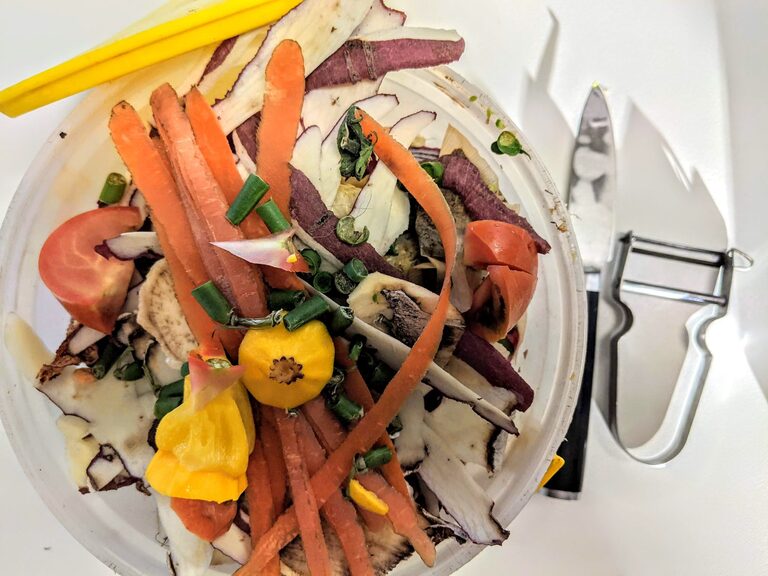
Reducing food waste at home is a win-win situation—it helps save money, conserves natural resources, and lessens the environmental impact. Many of us want to be more mindful about the food we buy, cook, and dispose of but don’t always know where to start. This guide provides practical, easy-to-follow tips to minimize food waste in your kitchen and make the most of every meal.
Why Reducing Food Waste Matters
Food waste contributes significantly to greenhouse gas emissions and wastes the water, energy, and labor used to grow, harvest, transport, and package food. On a household level, throwing away food is like throwing away money. By making small changes in how we shop, store, and use food, we can make a big difference.
Plan Your Meals Ahead
Make a Weekly Meal Plan
Planning meals ahead helps you buy only what you need and avoids impulse purchases that may go unused. Start by checking your pantry and fridge so you know which ingredients you already have.
Create a Shopping List
Write a list based on your meal plan and stick to it. This reduces the chance of buying extra food that might spoil before you use it.
Shop Smartly
Buy Loose Produce
Buying loose fruits and vegetables allows you to purchase the exact amount you need, avoiding excess.
Choose Smaller Portions When Possible
If you live alone or cook for two, look for smaller package sizes to prevent leftover food from spoiling.
Check Expiration and Use-By Dates
Understand the difference between “best before” (quality guideline) and “use-by” (safety guideline) dates to reduce unnecessary throwing away.
Store Food Properly
Keep Your Fridge Organized
Arrange items with the earliest expiration dates in front so you use them first. Regularly clean the fridge to avoid forgotten spoiled items.
Use Airtight Containers
Store leftovers and opened packages in airtight containers to maintain freshness longer.
Know the Ideal Storage Conditions
Some foods last longer at room temperature (like onions and potatoes), while others need refrigeration. Proper storage extends shelf life.
Practice Smart Cooking Habits
Cook Appropriate Portions
Measure ingredients carefully to cook only what you and your family will eat.
Use Leftovers Creatively
Transform leftover vegetables, grains, or proteins into soups, stir-fries, or salads. There are many recipes designed for using up leftovers.
Freeze Excess Food
If you have more than you can eat in a few days, freeze portions for later use. Label containers with dates for easy tracking.
Utilize All Parts of Your Food
Save Vegetable Scraps for Broth
Collect peels, stalks, and ends in a bag in the freezer and use them to make homemade vegetable broth.
Use Stale Bread
Turn stale bread into croutons, breadcrumbs, or bread pudding instead of tossing it.
Eat “Ugly” Produce
Don’t reject fruits and vegetables because of appearance. Many “imperfect” items are perfectly good to eat.
Compost What You Can’t Eat
When food is truly spoiled or inedible, composting is a great way to reduce landfill waste and create nutrient-rich soil for your garden.
– Collect fruit and vegetable scraps, coffee grounds, and eggshells in a compost bin.
– Avoid composting meat and dairy products which can attract pests.
– If you don’t have space for a compost bin, check if your community has a composting program.
Educate Your Household
Encourage everyone in your home to be aware of food waste and involve them in the planning, shopping, cooking, and storing process. Simple habits like finishing what’s on your plate or saving leftovers help build an eco-friendly routine.
Final Thoughts
Reducing food waste at home is easier than it may seem. With thoughtful planning, proper storage, and creative use of leftovers, you can enjoy fresher meals, save money, and contribute to a healthier planet. Start small by implementing one or two tips, and build on your efforts over time.
Remember, every meal wasted is an opportunity lost to nourish yourself and protect the environment. Take action today to make your kitchen a model of sustainability.