
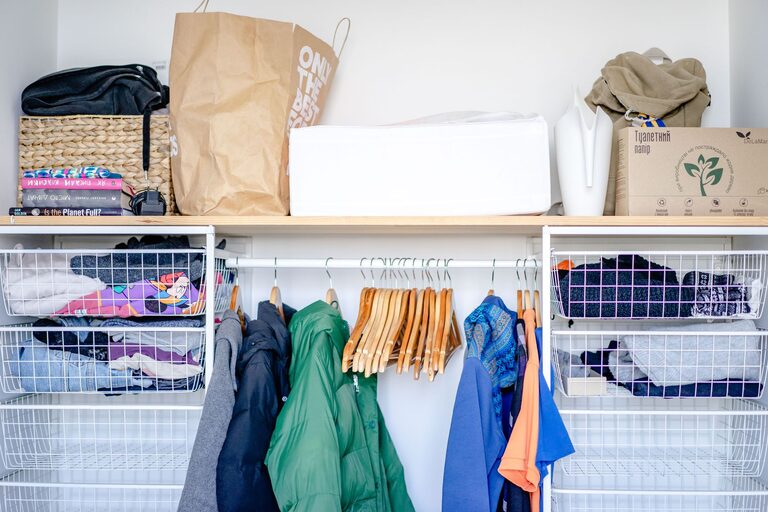
Storing seasonal clothes efficiently is a smart way to keep your home organized and protect your garments until the weather changes. Whether it’s summer dresses or winter coats, knowing how to store your clothes properly can save space, prevent damage, and make it easier to access your wardrobe when the season returns. In this guide, we’ll explore effective methods and practical tips for storing your seasonal clothes with ease.
Why Proper Storage Matters
Clothes that are stored without care can become damaged by dust, moisture, insects, and wrinkles. Proper storage protects your fabrics from these elements and extends the life of your garments. Additionally, thoughtful organization helps you maintain a clutter-free closet and quickly find what you need when the season changes.
Preparing Clothes Before Storage
Before you put away your seasonal clothes, some preparation steps are key.
Clean Everything First
Always wash or dry clean clothes before storing. Dirt, oils, and stains can attract pests and cause fabric deterioration over time.
– Follow care labels closely.
– Make sure clothes are completely dry to prevent mildew.
– Spot treat any stains to avoid permanent marks.
Repair and Sort
Check for repairs such as missing buttons, loose threads, or small tears.
– Fix minor issues before storage.
– Sort clothes by type, material, or frequency of use.
Avoid Folding Heavy Sweaters
Heavy sweaters can lose shape if folded improperly. Consider rolling or laying them flat for storage.
Choosing the Right Storage Solutions
Selecting appropriate storage containers and methods is vital for protecting your clothes.
Use Breathable Containers
Plastic bins can trap moisture, leading to mold or mildew. Opt for breathable containers such as:
– Fabric storage bags
– Cotton or canvas garment bags
– Storage boxes with ventilation holes
If you use plastic bins, add silica gel packets to absorb moisture.
Vacuum-Seal Bags
Vacuum-seal bags save space by compressing clothes, but use them cautiously.
– Avoid storing delicate fabrics like wool or silk in vacuum bags to prevent creases.
– Use these bags mainly for bulky items like down jackets or blankets.
Cedar and Lavender for Pest Control
Natural repellents help keep moths and insects away.
– Place cedar blocks or sachets of lavender inside storage containers.
– Avoid mothballs, which contain harmful chemicals.
Organizing Seasonal Clothes for Easy Access
How you organize your clothes impacts how easily you find them later.
Label Everything
Use clear labels on bins and bags. This makes it simple to locate specific items without opening every container.
Sort by Category or Color
Group clothes by type (e.g., sweaters, pants) or color to maintain order.
Store Often-Used Items Last Seasonally
If space is limited, store items you won’t need for the longest time in harder-to-reach spots, keeping frequently used pieces accessible.
Storage Locations to Consider
Choosing the right spot to store seasonal clothes protects them from damage.
– Closets or Wardrobes: If space allows, designate a section for off-season items.
– Under-Bed Storage: Great for low-profile bins or bags.
– High Shelves: Use for lightweight containers.
– Storage Rooms or Attics: Only if temperature and humidity levels remain stable.
Avoid basements or garages prone to temperature fluctuations and dampness.
Tips for Maintaining Clothes During Storage
Even when stored, some care can keep clothes fresh.
– Air out clothes occasionally to prevent musty odors.
– Check for pests monthly.
– Refold and rearrange to avoid permanent creases.
When It’s Time to Transition
As seasons change, swap your clothes efficiently.
– Take inventory to see if you need to donate or replace items.
– Clean and prep outgoing seasonal clothes before storage.
– Bring out stored items and inspect for any issues, treating them before use.
Conclusion
Storing seasonal clothes efficiently involves cleaning, organizing, choosing the right containers, and selecting appropriate storage spaces. Following these steps protects your wardrobe, saves space, and simplifies switching your clothing with the seasons. With a little planning, you can keep your seasonal pieces looking their best year-round.
Start preparing your seasonal wardrobe now to enjoy a clutter-free closet and longer-lasting clothes!