
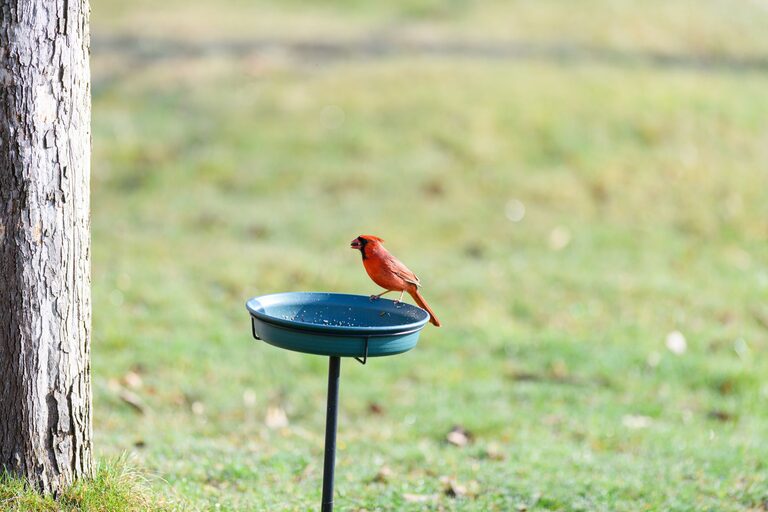
Birdwatching is a rewarding hobby that allows you to enjoy nature from the comfort of your own backyard. Whether you’re interested in spotting colorful cardinals or listening to cheerful songbirds, backyard birdwatching is a peaceful way to connect with wildlife. If you’re new to this pastime, here are some beginner tips to help you get started and make the most of your birdwatching experience.
Why Backyard Birdwatching?
Birdwatching in your backyard is convenient and relaxing. You don’t need to travel to a forest or park—just step outside! It’s also a great way to learn more about local bird species and support wildlife conservation by creating a bird-friendly environment.
Getting Started: Essential Supplies
Before you start spotting birds, it’s helpful to have some basic tools.
1. Binoculars
A pair of binoculars makes it easier to see birds clearly, especially small or distant ones. Look for compact, lightweight binoculars with moderate magnification (around 8x) for a good balance of clarity and ease of use.
2. Bird Identification Guide
A guidebook or mobile app can help you identify different species by their colors, shapes, and songs. There are many free and paid apps designed for beginners that include photos and audio clips.
3. Notebook or Bird Journal
Keeping notes about your sightings helps track the birds you see and learn their habits. You can jot down species, dates, weather, and any interesting behavior.
Creating a Bird-Friendly Backyard
Making your yard attractive to birds will increase your chances of visits.
1. Provide Food
Bird feeders attract multiple bird species. Try different types of feeders and seed mixes to see what works best:
– Tube feeders for finches and chickadees
– Platform feeders for ground-feeders like juncos
– Suet feeders for woodpeckers and nuthatches
Use quality birdseed and clean feeders regularly to prevent disease.
2. Offer Fresh Water
Birds need water for drinking and bathing. A shallow birdbath placed in a quiet spot can become a popular hangout. Change the water frequently to keep it fresh.
3. Plant Native Vegetation
Native trees, shrubs, and flowers provide food sources like berries and insects, as well as shelter. Plants like dogwood, serviceberry, and coneflower attract various birds.
4. Create Shelter and Nesting Sites
Birds seek safe places to rest and build nests. Dense shrubs, brush piles, and birdhouses provide protection from predators and harsh weather.
Observing Birds Respectfully
To enjoy birdwatching fully, it’s important to be patient and respectful.
– Stay Quiet: Sudden movements or loud noises can scare birds away.
– Watch from a Distance: Use binoculars to avoid disturbing the birds.
– Avoid Handling Nests or Birds: This can cause stress and harm. Observe without interfering.
– Keep Pets Away: Cats and dogs can frighten or harm birds.
Identifying Birds: Tips for Beginners
Learning to identify birds can be a fun challenge.
Focus on These Features
– Size and Shape: Notice the bird’s overall size and body shape.
– Color and Markings: Look for distinctive colors or patterns.
– Beak Shape: Different beaks are adapted for different foods.
– Behavior: Watch how the bird moves and feeds.
– Sounds: Bird songs and calls can be great clues.
Use Field Guides and Apps
Compare your observations with pictures and descriptions. Apps may also use your location to suggest likely birds.
Keeping Your Birdwatching Experience Enjoyable
– Start with Short Sessions: Spend 10-15 minutes watching to build your patience.
– Choose the Best Times: Early morning and late afternoon are often when birds are most active.
– Invite Friends and Family: Birdwatching can be a shared, social activity.
– Take Photos: Capturing images can help with identification and memories.
Common Backyard Birds for Beginners
Here are some birds you might see in many backyards across North America:
– Northern Cardinal
– American Robin
– Blue Jay
– Mourning Dove
– Black-capped Chickadee
– House Finch
– Downy Woodpecker
Knowing common species first makes identification easier and more satisfying.
Conclusion
Backyard birdwatching is a simple, enjoyable way to explore the natural world without leaving home. With some basic tools and a few changes to your yard, you can attract a variety of birds to observe and learn about. Remember to be patient, stay quiet, and enjoy the wonderful diversity of birdlife around you.
Happy birdwatching!